Build a Suffolk dating profile that sounds like you

Choose better photos, write a natural bio and give nearby people something real to talk about.

You have six decent photos on your phone, but three include other people, one was taken at a wedding years ago and the best one has a dog that belongs to your sister. Then comes the blank biography box. What can you write that does not sound like everybody else?

That is the awkward bit of creating an online dating profile. You are trying to be interesting without showing off, honest without listing your entire history, and specific without handing strangers too much personal information. The good news is that a useful profile is not a sales pitch. It is a clear introduction.

What makes a dating profile stand out?

A strong profile uses recent photos, specific details and a natural description that makes it easy for someone compatible to begin a conversation.

Specificity does most of the work. “I enjoy weekends away, music and meals out” tells the reader almost nothing. “I spend Saturday mornings walking near the coast, will travel for a good folk gig, and make a dependable Sunday roast” gives them three possible questions to ask.

On a Suffolk dating site, local details are useful because they also reveal how you spend your time. A walk around the Abbey Gardens in Bury St Edmunds suggests a different pace from an early shift in Newmarket followed by a quiet evening, or a bracing Sunday beside Southwold Pier. You do not need to perform your Suffolk credentials. One or two ordinary details are enough.

  • Be recognisable. Your main photograph should clearly show the person who will arrive at a first meeting.
  • Be particular. Name the food, place, hobby or routine you genuinely enjoy.
  • Be current. Describe your life now, not the version of it you had ten years ago.
  • Be approachable. Include something another person can comfortably ask about.

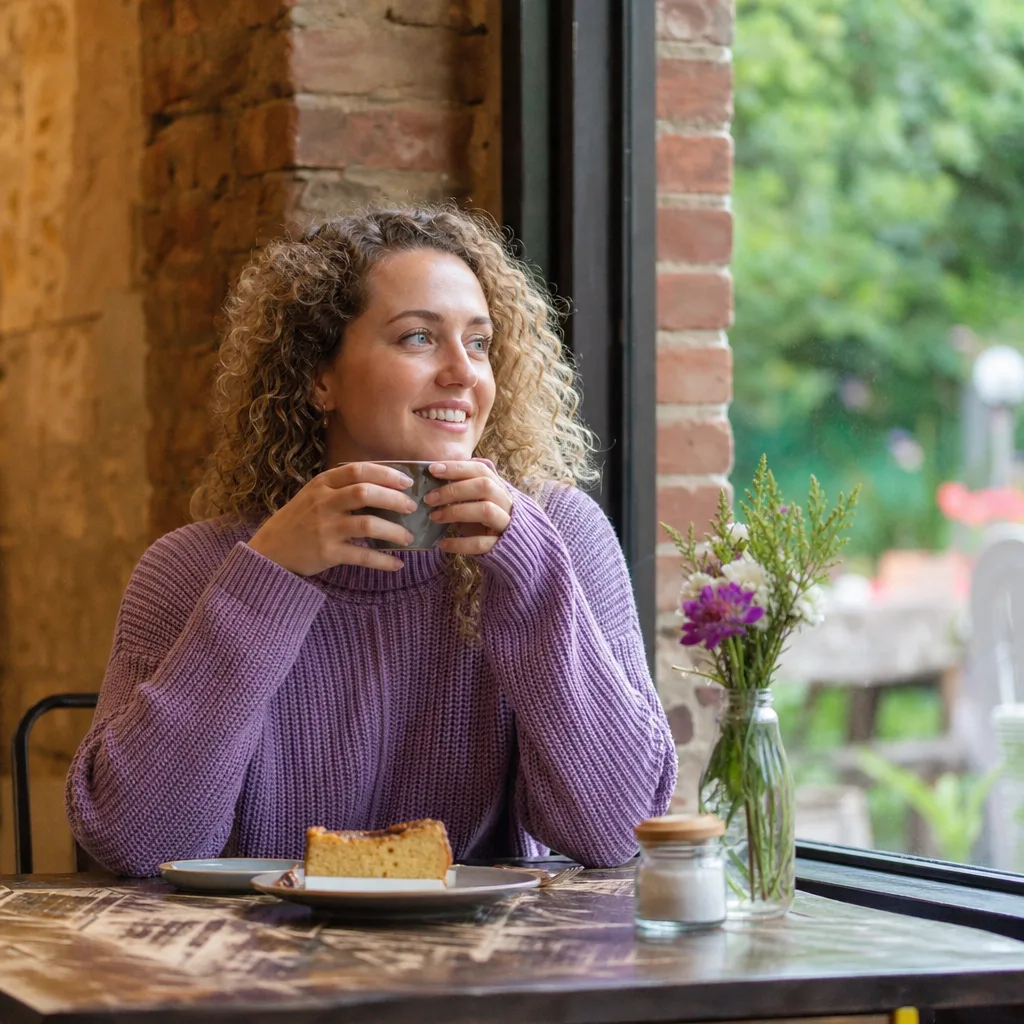
Selection of clear and recent photographs for a Suffolk dating profile

A photograph can be flattering and still be truthful. Good light, a relaxed expression and a sensible angle are not deception. A heavily filtered picture, or one from a much earlier stage of life, creates a problem that will eventually walk into the room with you.

Which photos should I use on my dating profile?

Use a clear recent head-and-shoulders picture first, then add photographs that show your appearance, interests and everyday life without confusing the viewer.

Your first image has one job: make it obvious who you are. Face the camera, use daylight if possible and leave the sunglasses for a later picture. A full-length image is useful too, not because anybody owes strangers a particular body shape, but because openness saves uncertainty on both sides.

PhotoWhat it addsWhat to avoid
Main portraitA clear, current view of your faceDark glasses, heavy filters or distant shots
Full-length photoAn honest sense of your appearanceExtreme angles or an old formal photograph
Activity photoA natural clue about your interestsA hobby staged only for the profile
Social photoSome context about your lifeA crowded group where nobody knows which person is you
Local photoA conversation starter for nearby membersShowing your home address, workplace or routine location

A picture from a coastal walk, a garden, a match or a day out can make the profile feel lived-in. Keep the scenery secondary. Suffolk singles want to see you, not six wide shots of the sea.

Check the background before uploading. House numbers, staff passes, school uniforms, vehicle registrations and letters on a kitchen table can reveal more than you intended. Crop or choose another photograph.

Group photographs need care. Ask permission before displaying somebody else, especially a child. If you use one, place it after several solo images and make your identity unmistakable. An ex-partner cropped out by half a shoulder is rarely the intriguing mystery people imagine.

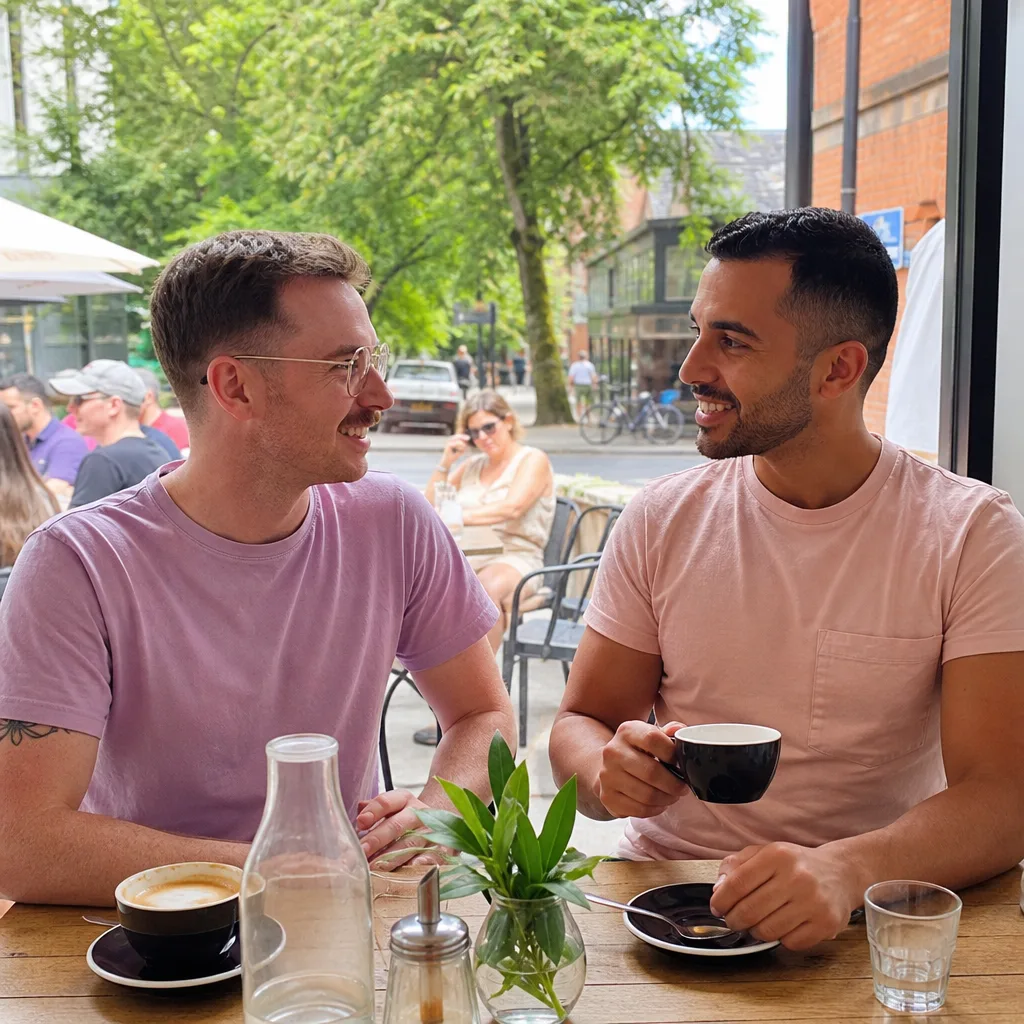
Person drafting a warm and specific dating profile biography

The biography is where many sensible people suddenly start writing like an estate agent. They describe themselves as “well presented”, claim to enjoy “the finer things” and finish with “ask me anything”. None of it gives the reader a reason to ask.

How do I write a dating bio without using clichés?

Write a short, concrete picture of your present life, what matters to you and the sort of time you would genuinely enjoy sharing.

A useful bio can be built in five small moves. Do not worry about making each part clever. Clear beats clever.

  1. Start with your real week. Mention work only as far as you are comfortable, then describe how you tend to spend your free time.
  2. Add two specific interests. Replace “music” with the kind you play at home, and replace “the outdoors” with walking, gardening, sailing or cycling.
  3. Show some personality. A dry observation or small admission often sounds warmer than a string of adjectives.
  4. Say what you are looking for. You can want a relationship, companionship or simply the chance to meet and see how things develop.
  5. Finish with an opening. Ask about a favourite local walk, independent cinema, pub quiz or place for coffee.

For example: “I live near Bury and divide my spare time between cooking, second-hand bookshops and walks that usually end with tea. I am happier in a small pub than a loud club. I would like to meet someone kind and curious for local days out, good conversation and, if it feels right, a lasting relationship. Tell me where you would go for an unhurried Sunday in Suffolk.”

That is not dazzling copywriting. It is better: it sounds possible.

Read your bio aloud once. If a phrase would sound strange when said to someone over coffee, rewrite it in the words you would actually use.

Avoid turning preferences into a list of orders. “No drama, no time-wasters, no baggage” may come from difficult experience, but it makes a new reader pay for somebody else's behaviour. State the positive version instead: you value consistency, direct communication and people who are genuinely available to date.

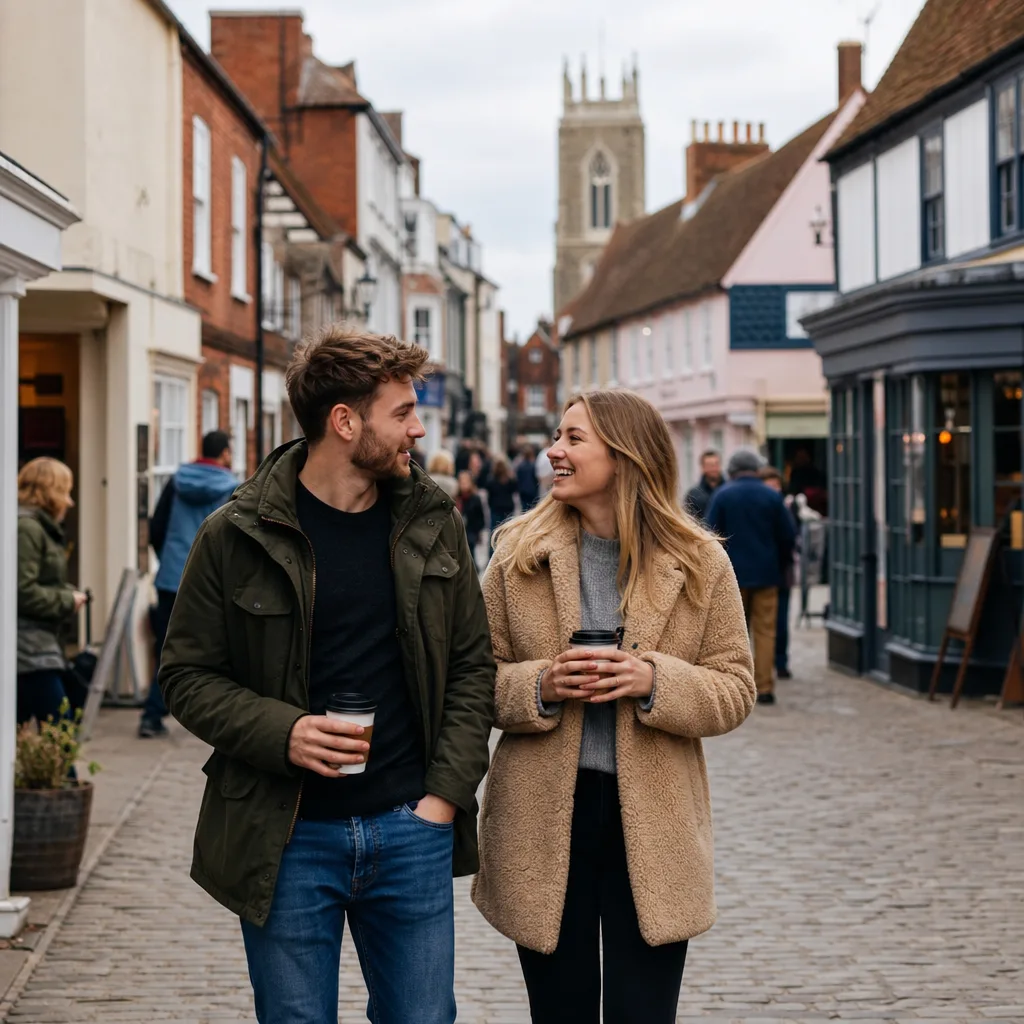
Two people talking during a relaxed walk in a Suffolk park

Shared interests help, but compatibility is not a game of collecting identical hobbies. Two people can both love cycling and disagree about everything that shapes a relationship. Another pair may have separate hobbies but share humour, reliability and the same idea of a good weekend.

Which interests attract compatible local matches?

Mention interests that reflect how you actually live, especially those that reveal your pace, values and preferred way of spending time with another person.

If you enjoy dating in Suffolk because life is quieter than in a city, say what “quiet” means to you. It might mean gardening near Stowmarket, birdwatching at RSPB Minsmere, browsing Bury St Edmunds market or taking the train to see a show. Someone who recognises that rhythm can quickly judge whether it fits theirs.

  • Show frequency. “I run three mornings a week” is more informative than “I like keeping fit”.
  • Explain the appeal. Say whether you cook for the creativity, the company or the pleasure of feeding people.
  • Include ordinary pleasures. Crosswords, radio comedy, allotments and a proper breakfast can be more revealing than an impressive holiday list.
  • Leave room for difference. You do not need a partner who joins every club or shares every playlist.

Location matters as well. Suffolk is large enough for a supposedly local connection to involve an inconvenient journey, particularly when one person is near Lowestoft and the other is west of Newmarket. Give a broad area rather than a street or tiny village if privacy is a concern. Then be realistic about how far you would travel regularly, not merely once.

You can browse ways to meet Suffolk singles or use our town-by-town Suffolk dating guide when you need ideas for interests, events or a first public meeting.

A finished profile does not have to capture your whole character. It only needs to be accurate enough to attract the right questions and warm enough to make asking one feel easy.

How often should I update my dating profile?

Review your profile every few months, or whenever your appearance, location, availability or intentions materially change.

Small edits can help when conversations have slowed. Change the main photograph, replace a vague sentence with a specific one, or add a recent interest. Do not rebuild everything after two quiet days. In reality, responses depend on timing, location, age range and who happens to be active nearby.

Before saving, check three things: are the pictures recent, does the biography sound like you, and could a stranger work out exactly where you live or work? Then stop polishing. A human profile with one slightly untidy sentence is usually more inviting than something so perfected that nobody can hear a person behind it.

Frequently asked questions

How long should an online dating profile be?

Aim for two or three short paragraphs that can be read comfortably on a phone. Include your present lifestyle, two or three specific interests, what you hope to find and an easy conversation starter. Enough detail matters more than a particular word count.

Should I mention exactly where I live in Suffolk?

Give a town or broad part of the county rather than your street, workplace or a very small village if that would identify you. You can share more after trust develops. Be honest about the general area so potential matches can judge whether meeting regularly is practical.

Should I say that I am dating again after a long relationship?

You can, but keep it brief and focused on the present. There is no need to explain the relationship or criticise an ex. A simple line saying you are returning to dating and prefer to take things at a comfortable pace gives useful context without making your past the centre of the profile.

Write a profile local people can recognise

Add recent photos, say what your Suffolk week really looks like and start meeting people who are genuinely nearby.

Create your profile